Unraveling the Mystery of Red Roses on Valentine's Day
Posted on 11/06/2025
Unraveling the Mystery of Red Roses on Valentine's Day
Valentine's Day is synonymous with romance, candles, lovingly crafted cards, and, most iconic of all--red roses. But have you ever wondered why red roses are the go-to flower for Valentine's Day? In this comprehensive, SEO-optimized article, we delve deep into the rich symbolism, historical significance, and modern impact of red roses, unraveling the fascinating mystery that surrounds these velvety blooms every February 14th.
The Allure of Red Roses: More Than Just a Flower
When searching for the perfect Valentine's Day gift, red roses often top every list. Their deep crimson petals and captivating fragrance represent more than just beauty--they're a universal symbol of love and passion. But how did this association even begin? Understanding the various layers behind this cherished tradition can help us appreciate every red rose bouquet received or given.
The Timeless Symbolism of Red Roses
- Love and Desire: Historically, the red rose has stood for intense emotions. Its fiery color evokes strong passion, making it the ideal flower to communicate deep affection.
- Respect and Admiration: Giving red roses isn't just limited to lovers. Sometimes, they symbolize respect and deep admiration in more platonic relationships.
- Courage and Sacrifice: In literature and history, red roses have sometimes denoted bravery and self-sacrifice, qualities often linked with passionate love.
The rich culture of red roses for Valentine's Day illustrates how a flower has become shorthand for saying, "I love you," in every language and culture.
Historical Roots: Tracing the Journey of Red Roses
To truly unravel the mystery of red roses on Valentine's Day, we need to travel back in time. The origins of red roses aren't just romantic--they're steeped in myth, art, and ancient rituals.
The Rose in Ancient Civilizations
- Ancient Greece and Rome: Roses were closely associated with Aphrodite (Greek goddess of love) and Venus (Roman equivalent). Stories tell that the first red rose grew from the tears of Aphrodite and the blood of her beloved Adonis, forever linking red roses with passionate, enduring love.
- Persian Love Poems: Red roses frequently appear in ancient Persian poetry, symbolizing both the beauty and pain of love.
- Early Christianity: In Christian symbolism, red roses sometimes represented martyrdom and sacrifice, blending themes of love and suffering.
Medieval and Renaissance Europe: The Language of Flowers
Medieval Europe saw red roses adopted as the symbol of the Virgin Mary, representing purity and the mystical union of lovers. By the Renaissance, giving flowers had evolved into an art form, leading to the famous "language of flowers", or floriography. In this secret code, the red rose loudly proclaimed heartfelt love and ardor.
The Valentine's Day Connection: Roses Meet Romance
The union of red roses and Valentine's Day is inseparable today. But where did this custom begin?
The Story of St. Valentine
Valentine's Day honors several martyrs named Valentine, but the one most closely associated with romance is the priest who, legend says, secretly married lovers in defiance of a Roman decree. As he awaited execution, he allegedly sent a note signed "from your Valentine," cementing the act of sending love notes--and, eventually, flowers--on this day.
Victorian Courtship and the Rise of Floral Gifting
- The Victorian era saw strict societal codes around expressions of love. Directly professing affection was taboo; instead, secret admirers sent flowers, with red roses sending a clear, unspoken message of ardent desire.
- Commercialization: As Valentine's Day grew in popularity, sellers and floral designers leaned into this tradition, ensuring that every holiday since the 19th century has been awash in the vivid hues of red petals.
The Science Behind the Obsession: Why Are Red Roses So Effective?
There's more to the allure of a Valentine's Day bouquet of red roses than cultural legacy. Modern science offers explanations for why these flowers are so captivating, on both visual and psychological levels.
Red: The Color of the Human Heart and Mind
- Emotional Triggers: Psychologists say that the color red triggers a strong response in the human brain. It is associated with vitality, excitement, and even increased attraction.
- Biological Cues: According to certain evolutionary scientists, red has long caught the human eye as a sign of ripeness and health, reinforcing why we still find red roses the ultimate romantic flower.
- Fragrance and Memory: The scent of red roses stimulates memory and emotion, anchoring powerful feelings to the gift itself.
Red Roses in Modern Pop Culture
From Shakespeare to pop music, red roses have become an enduring symbol in stories of romance, heartbreak, and passionate declarations.
Red Roses in Art and Literature
- Shakespeare: In "Romeo and Juliet", the line "A rose by any other name would smell as sweet" cements the bloom as a central motif in one of history's greatest love stories.
- Poetry and Prose: Writers from Robert Burns ("O my Luve's like a red, red rose...") to modern romantics use the flower as metaphor for love's beauty and vulnerability.
Red Roses in Music and Media
Contemporary songs and movies still use the imagery of red roses as shorthand for passion and heartfelt emotion. Think of "The Rose" by Bette Midler or the red roses featured in films like "American Beauty". They are everywhere--in visual art, advertisements, and even emojis.
Modern-Day Trends: How Red Roses Continue to Evolve on Valentine's Day
The red rose persists as the flower of choice for Valentine's Day--but modern gifting practices have added new twists to this classic tradition.
The Rise of Ethical and Sustainable Gifting
- Eco-Friendly Florists: Today's flower lovers often choose locally-sourced or fair-trade red roses to demonstrate love for both their partner and the planet.
- Preserved and Everlasting Roses: Many now opt for "eternal" roses, which are real roses specially preserved to last a year or more--perfect for making love "everlasting".
Creative Arrangements and Personalization
- Customized Bouquets: Contemporary florists allow clients to mix classic red roses with blooms of different hues and textures, adding a unique, personal touch.
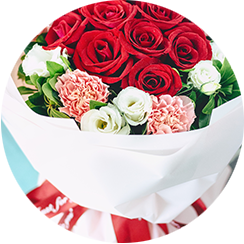
- Creative Presentations: Red roses now appear as part of elaborate boxes, as elegantly wrapped singles, or paired with decadent chocolates and meaningful keepsakes.
Meanings of Red Roses in Numbers and Pairings
Not only does the red rose symbolize love on Valentine's Day, but the number of roses gifted also conveys specific messages:
- Single Red Rose: "I love you." Simple, direct, and heartfelt.
- Dozen Red Roses: The classic gesture of loving devotion, often interpreted as "be mine".
- Fifty Red Roses: Unconditional love--no regrets, no boundaries.
- One Hundred Red Roses: A grand, jaw-dropping gesture symbolizing boundless passion.
Pairing red roses with other flowers can also add layers of meaning--red and white for unity, red and yellow for joyful love, and red and pink for budding affection.
Choosing the Perfect Red Roses for Valentine's Day
Selecting the right red roses involves more than grabbing any bunch from a store. These tips ensure your romantic gesture resonates--whether classic or creative:
- Look for Lush, Vibrant Petals: Freshness matters. Healthy roses have deep, even color and perky leaves.
- Personalize the Arrangement: Add a note, select a unique vase, or pair the bouquet with a favorite treat.
- Consider the Message: Be mindful of the meaning behind the number and presentation of the roses.
Pro Tip: Order early! Valentine's Day is the busiest day of the year for florists, and the earlier you arrange your bouquet, the better your chances of finding the perfect bunch.
Frequently Asked Questions About Red Roses and Valentine's Day
Why are red roses the traditional flower for Valentine's Day?
Red roses have a deep-rooted symbolism in love and romance, dating back to ancient mythologies and flourishing through centuries of poetry, art, and social customs. Their enduring association with passion and beauty makes them the ultimate Valentine's Day gesture.
Are red roses the only acceptable flower for Valentine's Day?
While red roses remain the most popular, many choose other flowers--like tulips, lilies, or mixed bouquets--to express unique feelings. However, when it comes to conveying classic, deep love, nothing quite says it like a red rose.
What do different numbers of red roses mean?
Single and dozen bouquets have standard interpretations, but nearly every quantity carries significance--from new love (three roses) to everlasting devotion (one hundred).
Conclusion: The Enduring Magic of Red Roses on Valentine's Day
The story of red roses for Valentine's Day spans millennia of legend, art, science, and heartfelt tradition. Whether you surprise your beloved with a single scarlet bloom or a cascading bouquet, you're participating in a powerful global ritual: an eloquent expression of love that words alone often fail to convey.
As we've unraveled the mystery behind the red rose phenomenon on Valentine's Day, one truth remains clear: While trends may change and new customs may emerge, the timeless romance of red roses will forever be entwined with the day that celebrates love in all its forms.
So next time you find yourself choosing red roses for February 14th, remember--you're not just giving a flower; you're handing over a centuries-old symbol of passion, devotion, and magic.
Related Keywords:
- history of red roses and Valentine's Day
- why do we give red roses on Valentine's Day
- meaning of red roses for lovers
- romantic symbolism of red roses
- Valentine's Day floral traditions
- red rose bouquet for Valentine's Day
- best Valentine's flowers for her
- origins of Valentine's Day flowers
Celebrate this Valentine's Day by embracing the beauty and significance of red roses--a tradition both ancient and modern, mysterious and magical.