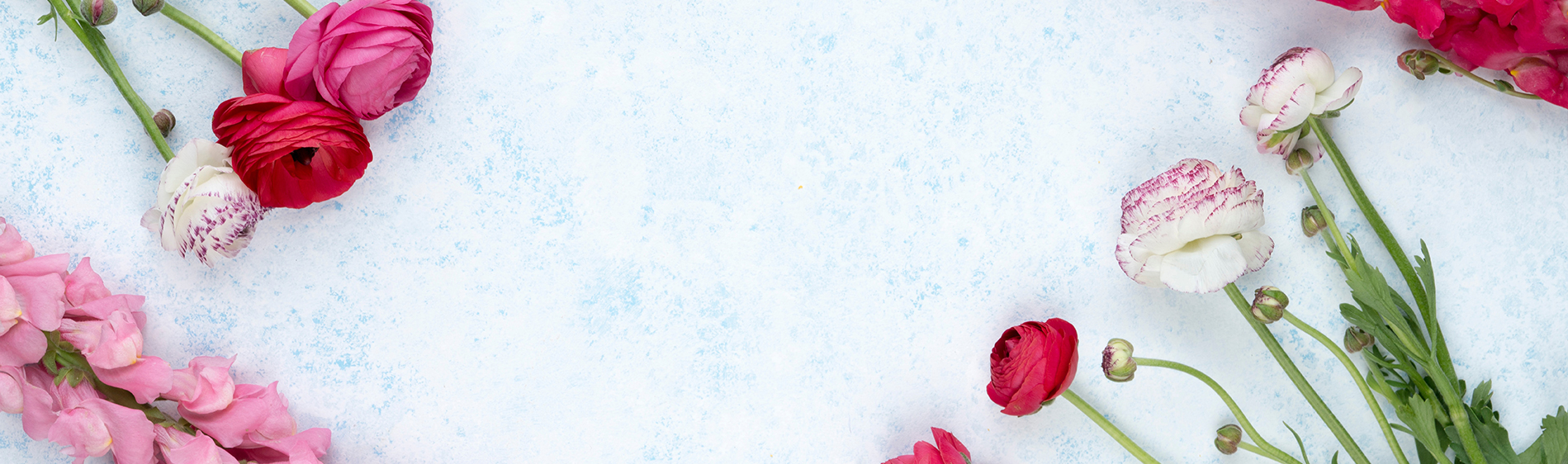
The Hidden Meanings of Peony Flowers and Their Varied Hues
Posted on 29/05/2025
The Hidden Meanings of Peony Flowers and Their Varied Hues
Peony flowers have captivated hearts and inspired cultures for centuries. Breathtaking blooms, lush layers of petals, and a fragrance that lingers in the air--peonies are more than just ornamental beauty. The hidden meanings and symbolism associated with peony flowers are as rich and layered as the blossoms themselves. Even more intriguing, the different hues of peonies each communicate their own messages, making them deeply significant in gardens, bouquets, art, and festive traditions across the world.
Unveiling the Symbolism of Peony Flowers
Before we journey into the meanings of peonies by color, it is helpful to understand the broader symbolic value of this remarkable flower. With historical roots stretching back thousands of years, the peony's symbolism encompasses ideas of love, wealth, good fortune, honor, and romance. Its lush, full-headed flowers became a favorite in global cultures, particularly in Asia and parts of Europe.
- Prosperity and Good Fortune: In Chinese culture, peonies are often regarded as the "King of Flowers" and a symbol of prosperity, wealth, and good luck. They are often depicted in Chinese art and associated with royalty and honor.
- Romance and Love: In Victorian England, peonies conveyed bashfulness as well as romantic interest. To receive a peony bouquet was to be sent a subtle message of affection or attraction.
- Honor and Respect: Peony blossoms also embody honor--making them a popular choice for events celebrating noteworthy achievements or paying homage to ancestors.
- Healing and Compassion: With medicinal use in ancient Greece and Rome, peonies represent healing, compassion, and protection against misfortune.
But what makes the peony flower truly magical is how these symbolic meanings shift and intensify depending on the shade of the bloom.

The Language of Peony Colors: Decoding Their Hidden Meanings
The colors of peony flowers are stunning: from snowy white, blush pink, and deep scarlet, to radiant yellow and even coral. Each color reflects distinct emotions, intentions, and traditions. Let's explore the significance behind each popular peony hue.
White Peony Flowers
White peonies glow with pristine elegance. Their color is commonly associated with purity, innocence, and new beginnings. In many cultures, they are the flower of choice for weddings, symbolizing a fresh start and a clean slate for the couple.
- Weddings and Ceremonies: Symbolizes pure love, fidelity, and lifelong commitment.
- Remembrance: Honoring loved ones who have passed away, representing the eternal nature of the soul.
- Forgiveness: A gesture of apology and the hope for reconciliation in relationships.
Because of these associations, white peonies are often used in bridal bouquets, peaceful gardens, and memorial services.
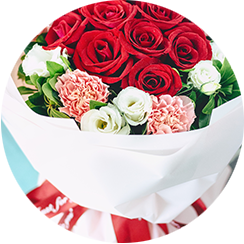
Red Peony Flowers
Nothing conveys passion and honor quite like the red peony. In Chinese culture, deep red peonies are especially auspicious, believed to bring prosperity, power, and joy into the home.
- Passionate Love: Symbolizes fiery romance and deep, lasting affection.
- Honor: Used to honor ancestors or to show high respect for milestones and achievements.
- Prosperity: A motif for wealth, abundance, and a flourishing future.
Tip: Red peony flowers are perfect for expressing powerful emotions in romantic relationships or celebrating major life accomplishments.
Pink Peony Flowers
Pink peonies represent elegance, grace, and gentle romance. Their delicate hue makes them a staple in wedding arrangements, anniversaries, and gestures of admiration. The many shades of pink--from pale pastel to vibrant fuchsia--give ample room for nuanced expression.
- Romantic Affection: Ideal for expressing love during the early stages of relationships or budding romance.
- Good Luck: In Feng Shui, light pink peonies bring good fortune and harmony to households.
- Motherly Love: A classic way to honor mothers or maternal figures for their nurturing spirit.
Gift pink peonies to celebrate anniversaries, new beginnings, or as a sweet gesture to someone you admire.
Yellow Peony Flowers
Beaming with sunshine, yellow peony flowers represent happiness, joy, and new opportunities. Less common than their pink and white cousins, yellow peonies are prized for their rarity and the cheerful energy they bring to any bouquet or garden.
- Friendship: A wonderful way to wish someone happiness or to say thank you to a cherished friend.
- New Adventures: Perfect for congratulating someone starting a new journey--a graduation, a new job, or moving to a new home.
- Optimism: Yellow peonies infuse positivity and uplift the spirits.
Yellow peonies are the go-to blooms for celebrating joyful milestones and inspiring hope.
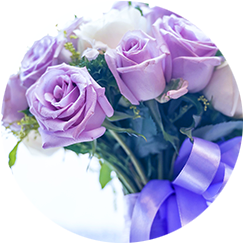
Purple and Lavender Peony Flowers
Purple peony flowers are imbued with connotations of mystery, enchantment, and royalty. Their unique coloring often marks special occasions and is associated with admiration and dignity.
- Royalty and Nobility: Echoes regality and luxury; a nod to the flower's use in imperial gardens.
- Creativity: Inspiring originality and imagination, making them a favorite among artists and dreamers.
- Spiritual Awakening: Symbolic of transformation and growth on one's life journey.
Purple and lavender peonies add a touch of magic and sophistication wherever they bloom.
Cream, Coral, and Other Unique Peony Colors
- Cream Peonies: Subtly different from white, cream-colored peonies suggest understated elegance and can represent humility and gratitude.
- Coral Peonies: Their vibrant, sunset tones are symbols of energy, renewal, and transformation. Perfect for conveying encouragement or celebrating a new chapter.
- Burgundy Peonies: With their deep, dramatic hue, these peonies are regarded as emblems of passion and power.
With every color, peonies whisper a different message, making them perfectly suited for nearly every occasion and emotion.
Cultural Significance and Folklore of Peonies
Peonies in Chinese History and Art
Peony flowers hold a special place in Chinese culture, owing to a history dating back over 2,000 years. The flower is so important it is called the "flower of riches and honor" (fuguihua) and often associated with royalty, nobility, and prosperity. Peonies are frequent motifs in silk paintings, embroidery, poetry, and even porcelain. During the Tang Dynasty, imperial gardens featured massive displays of peonies and artists captured their luxuriance as a symbol of the emperor's grandeur.
Peonies in Japanese Tradition
Known as "botan" in Japanese, peonies symbolize bravery, good fortune, and honor. They are commonly depicted in Japanese tattoos, art, and literature as an emblem of masculine power, as well as beauty and grace.
Western Interpretations and Victorian Language of Flowers
In the West, particularly during the Victorian era, the hidden meanings of peony flowers were conveyed through glamorous bouquets and garden displays. They were considered representations of bashfulness, compassion, and a happy marriage. Indeed, the peony is the traditional flower for the 12th wedding anniversary, honoring a couple's shared prosperity and loving partnership.
Peonies in Modern Day Life
Today, the varied meanings of peony flowers and their hues continue to inspire and delight. From luxury weddings to home decor, peonies are loved for their timeless allure and depth of symbolism. Their ability to express emotions and intentions uniquely through color makes them ideal for:
- Personal gifts and bouquets
- Wedding and anniversary celebrations
- Meditation and healing rituals
- Garden landscapes and art installations
- Home interior accents for positive energy
Peonies and Feng Shui
According to Feng Shui principles, peony flowers are placed in the home to attract love, harmony, and abundance. Red peonies in the southwest sector of your house enhance romance and strengthen marital bonds, while pink and white peonies bring calmness and balance.
Tips for Gifting Peony Flowers
- Consider the Color: Tailor your gift according to the recipient's situation and your intent. For example, choose white peonies for new beginnings or red for passionate love.
- Mix and Match: Combine colors for multi-layered meaning--a bouquet of pink and yellow peonies may express both gratitude and congratulations.
- Personal Touch: Add a personalized note explaining the peony's symbolism to make your gesture more thoughtful and meaningful.
Fun Facts and Legends About Peony Flowers
- Peonies are named after Paeon, a student of the Greek god of medicine who used the flower for healing, according to myth.
- Ancient superstitions: It was once believed uprooting wild peonies at night would anger woodpeckers, the flower's protectors, causing harm to the gatherer.
- Longevity: Some peony plants have been known to live for over 100 years, making them a living testament to resilience and prosperity.

How to Incorporate Peony Symbolism Into Your Life
- Plant peonies in your garden to attract beauty, luck, and positive energy.
- Use peony motifs in your home decor or workspace for inspiration and prosperity.
- Choose peonies for major life events such as weddings, graduations, or housewarmings to evoke their beautiful hidden meanings.
- Gifting peonies lets you communicate a heartfelt message with an extra layer of thoughtful intention.
Conclusion: The Lasting Allure of Peony Flowers and Their Colors
The hidden meanings of peony flowers and their varied hues make these blossoms much more than mere decoration. Each color--from snow-white to crimson, from delicate pastels to regal purples--tells a unique story, rich in emotion and tradition. Whether you're drawn to the peony for its lush beauty, its longstanding symbolism of love, honor, and abundance, or the charm it brings to life's important moments, one thing is clear: Peonies continue to bloom at the heart of meaningful connections and cherished memories.
Nurture peonies in your home or garden, gift them to loved ones, or simply draw inspiration from their colors and myths--the peony's message will find a way to touch the petals of your heart.
Latest Posts
8 Little-Known Sunflower Facts That Will Fascinate You
Hydrangea Care: A Comprehensive Guide
Keep Your Poinsettias Vibrant for Longer