Enhance Your Well-Being and Mood with the Beauty of Flowers
Posted on 20/05/2025
Enhance Your Well-Being and Mood with the Beauty of Flowers
Flowers have enchanted humanity for centuries. From vibrant tulips to fragrant roses, their diverse colors, shapes, and scents captivate our senses and enrich our lives in countless ways. Beyond their decorative appeal, the beauty of flowers is strongly connected to emotional wellness, mental health, and uplifting one's spirit. In this comprehensive guide, discover how the presence of flowers can truly enhance your well-being and mood.
Why Flowers Have a Positive Impact on Well-Being
The presence of flowers in our environment isn't just pleasing--scientific studies underscore their ability to spark positive emotions and elevate mood. Their visual beauty, scents, and the process of gifting or receiving them combine to provide emotional nourishment.
The Science Behind Flowers and Mood Enhancement
- Visual Stimulation: The colors and symmetry of flowers are known to trigger feelings of joy and comfort. Exposure to vibrant hues like blue, yellow, or pink activates pathways in the brain linked to happiness and relaxation.
- Scent Therapy: Many flowers release pleasant aromas that have a calming effect. Scents such as lavender and rose are proven to reduce anxiety and promote tranquility.
- Social Connection: Giving and receiving flowers fosters bonds, gratitude, and positive social interaction.
- Mindfulness and Presence: Observing, arranging, or caring for flowers encourages mindfulness and the ability to remain anchored in the present moment.
The Psychological Benefits of Surrounding Yourself with Flowers
How do flowers boost your mood and well-being? Let's examine the numerous ways the presence of blooms can elevate our emotional and psychological state:
1. Reduction in Stress and Anxiety
Flowers act as natural stress relievers. Their appealing visuals and calming scents can interrupt cycles of anxious thought. Research published by Rutgers University concluded that flowers trigger happy emotions, heighten feelings of life satisfaction, and affect social behaviors in a positive manner.
2. Enhanced Emotional Expression
It's no secret why flowers are exchanged during times of joy or sorrow. They allow us to express empathy, love, and other emotions when words fall short. Having flowers in your home or workspace can subtly remind you to acknowledge and accept your feelings, leading to improved emotional literacy and resilience.
3. A Boost in Creativity and Productivity
Environments enriched with flowers and plants are linked to increased creativity, sharper focus, and higher productivity. The variety and vibrancy of blooms stimulate our imagination, making them especially valuable in creative or academic settings.
4. Promotion of Physical Health
While the primary effects of flowers are emotional, they can also contribute to physical well-being. By lowering stress, they can indirectly help regulate blood pressure, promote restful sleep, and boost overall health. Additionally, taking care of flowers--watering and arranging--encourages gentle movement, fresh air, and tactile engagement.
Popular Flowers that Enhance Mood and Well-Being
Some flowers are especially well-known for their mood-enhancing properties. Let's look at a few top contenders:
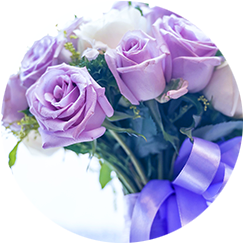
- Lavender: Famous for its soothing scent, lavender can relieve stress and improve sleep quality. Its delicate purple hue is associated with tranquility.
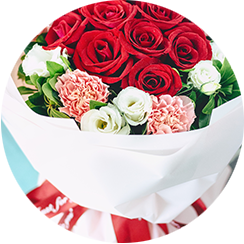
- Roses: The universal symbol of love, roses evoke deep feelings and can help foster connection and self-compassion.
- Sunflowers: With their bright yellow petals, sunflowers radiate positivity and cheerfulness, often associated with optimism and vitality.
- Lilies: Known for both their beauty and fragrant aroma, lilies can symbolize renewal and peace.
- Tulips: These colorful spring blooms are linked to feelings of hope and rebirth, providing a seasonal lift.
- Daisies: Representing innocence and purity, daisies can bring a simple, joyful energy into any space.
How to Use Flowers to Boost Your Well-Being
Integrating flowers into your daily life doesn't require grand gestures. Whether you have access to sprawling gardens or live in a cozy apartment, there are several ways to incorporate the beauty of blooms for mood enhancement:
Bring Fresh Flowers Home
Start a weekly ritual of buying (or picking) a small bouquet. Rotating the types of flowers keeps things fresh and exciting, and you'll look forward to new scents and colors each week.
Arrange Flowers Mindfully
Arranging flowers is a calming, meditative process. It connects you with the present moment and allows for creativity. Taking a few minutes to focus on balancing height, color, and placement can be incredibly soothing.
Create a Flower-Filled Workspace
Place a small vase of flowers on your desk or workspace. Even a single stem can offer visual relief and inspire new ideas during a busy workday.
Plant a Flower Garden
If space allows, create a flower garden or a container garden on your balcony. The act of gardening is physically grounding, offers gentle exercise, and rewards you with a rotating display of beauty.
Use Flowers in Self-Care Rituals
Incorporate petals and scents in your self-care rituals--think bath soaks with rose petals, DIY lavender sachets, or herbal teas featuring chamomile. Such rituals can support deeper relaxation and self-love.
Gift Flowers Thoughtfully
Gifting a bouquet isn't only for special occasions. Surprising a friend, neighbor, or even a stranger with a small bunch of blooms can brighten both your day and theirs. Giving flowers is a proven way to foster positive emotions and social connection.
The Therapeutic Power of Flowers (Floratherapy)
The growing field of floratherapy explores how connecting with flowers can promote healing and overall wellness. Floratherapy utilizes the energetic properties of flowers--their colors, scents, and forms--all of which can interact with our own energies to support emotional balance and healing.
Examples of Floratherapy in Action
- Flower Essences: Distilled from blooms, these are used in holistic practices to support emotional states like confidence, calm, or gratitude.
- Scent Diffusion: Using essential oils derived from flowers, such as neroli or ylang-ylang, can shift the atmosphere of a room and promote well-being.
- Guided Meditation: Visualizing or focusing on a favorite flower during meditation can enhance mindfulness and intention setting.
Flowers and Mindfulness: Cultivating Presence
Mindfulness is the practice of being truly present in the moment. Flowers, with their intricate structures and fleeting beauty, naturally draw our attention. Try this simple exercise for a mindfulness boost:
- Choose a flower--real or depicted in art.
- Focus on its colors, shapes, and textures. Notice the scent and how the light plays on the petals.
- Breathe deeply, allowing thoughts to come and go as you observe the flower with nonjudgmental awareness.
This practice can help interrupt worry cycles and foster a sense of calm gratitude.
The Cultural and Historical Significance of Flowers
Throughout history, cultures worldwide have used the beauty and symbolism of flowers to celebrate life's milestones and mark transitions. Understanding the meaning behind different blooms can deepen your appreciation for their impact on well-being.
- Japan: Cherry blossoms symbolize the ephemeral nature of beauty and life in Japanese culture. The annual hanami (flower viewing) tradition is a time for reflection and renewal.
- Ancient Greece: Flowers were offerings to gods and goddesses, seen as bridges between humanity and the divine.
- Victorian England: The "language of flowers" (floriography) allowed people to express feelings that couldn't be spoken aloud.
By integrating the traditions and symbolism of flowers into your personal rituals, you add depth and intention to their presence in your life.
Flowers in Interior Design: A Boost for Mood and Energy
Interior designers often leverage the power of flowers to enhance the atmosphere of a space. Strategically placed floral arrangements can:
- Liven up dull corners
- Create focal points and conversation starters
- Add seasonal flair and freshness
- Support a sense of harmony and balance
For optimal mood enhancement, choose colors that resonate with your desired energy--calm blues and whites for relaxation, warm reds and oranges for vibrancy.
The Lasting Benefits: Life Lessons from Flowers
Flowers teach us powerful life lessons--embracing change, blooming even in adversity, and finding joy in the present. Regularly bringing flowers into your life can become a gentle reminder to seek beauty, practice gratitude, and nurture both your environment and your own well-being.
Key Takeaways to Enhance Your Well-Being with Flowers
- Surround yourself with fresh or dried flowers in living and work spaces.
- Experiment with different varieties for varied emotional benefits.
- Adopt flower arranging and flower-gifting as mindful rituals.
- Explore the therapeutic uses of flower essences and aromatics.
- Value the symbolism and cultural significance of your favorite blooms.
Conclusion: Let Flowers Elevate Your Everyday
Choosing to enhance your well-being with the beauty of flowers is more than a simple aesthetic choice--it's a profound act of self-care and positivity. Whether enjoyed as a blooming centerpiece, inhaled as a comforting scent, tended in a garden, or shared as a gift, flowers have the unique power to elevate mood, calm the mind, and foster a sense of joy.
Make a habit of welcoming flowers into your daily routine, and experience firsthand their remarkable ability to infuse life with beauty and emotional wellness.